

Quick Summary
Low cost workplace wellness for small teams works best when built on shared time and simple habits rather than paid vendors. Start with one free activity, such as a weekly walking club or a five-minute stretch break, and run it for a month before expanding.
- A walking club can cost nothing beyond a calendar invite and a route of about 20 to 30 minutes.
- Rotate the organizer role so no single person carries the work of running an activity.
- Offer a seated version of every movement so coworkers with mobility limitations can take part.
- Keep individual step counts out of leaderboards and report only team-level totals to protect privacy.
- Budget two to four hours per person per quarter for volunteer activities, since paid employee time is the largest real cost.
Table of Contents
- Why Low-Cost Wellness Works Better for Small Teams
- Free Workplace Wellness Activities You Can Start This Week
- Wellness Activities for Staff Meetings That Take Five Minutes
- Mental Wellness Activities for Employees on a Budget
- Fun Wellbeing Activities for Team Meetings and Team Challenges
- Planning, Privacy and Measuring Results Without Expensive Tools
- Choosing Your First Low-Cost Wellness Activity This Month
- Frequently Asked Questions
Why Low-Cost Wellness Works Better for Small Teams
Last Updated: November 19, 2026
Small teams rarely have a wellness budget, and that is not a reason to skip it, because a low cost workplace wellness plan can still deliver real results. Workplace wellness programs now reach more than 50 million U.S. workers, according to a study published in the National Library of Medicine's PubMed Central archive, which describes their reach and intended goals (What Do Workplace Wellness Programs Do? Evidence from the Illinois Workplace Wellness Study). For more on how active wellness programs improve employee engagement, see the related guide.
Low-cost workplace wellness activities for small teams solve that problem. They rely on time, shared effort and simple habits rather than expensive vendors.
Small teams have a real advantage: fewer people means fewer scheduling conflicts, faster decisions and natural peer encouragement.
The smallest commitment people will actually keep is a practical starting point for any low-cost workplace wellness effort.
Free Workplace Wellness Activities You Can Start This Week
Most no-cost wellness activities need only a shared calendar and a willing volunteer. The table below covers the options that work best for small teams, with time and cost. Every entry is free or under $25 total for a team of five to twenty people.

| Activity | Setup time | Weekly time per person | Real cost for a small team |
|---|---|---|---|
| Walking club | 20 minutes | 20-30 minutes | $0 |
| Walk-and-talk one-on-ones | 5 minutes | 15-20 minutes | $0 |
| Afternoon stretch break | 15 minutes | 5 minutes | $0 |
| Meeting-opening movement break | 5 minutes | 2-3 minutes | $0 |
| Fruit-and-nuts snack rotation | 10 minutes | 0 (rotating host) | $10-$20 per meeting |
| Two-minute breathing break | 5 minutes | 2 minutes | $0 |
| No-agenda coffee chat | 10 minutes | 30 minutes monthly | $0-$15 if the team buys coffee |
| Step challenge | 30 minutes | 0 (tracked on phones) | $0 |
| Lunch-and-learn workshop | 45 minutes | 30 minutes monthly | $0 if led internally |
| Volunteer half-day | 1-2 hours | 2-4 hours quarterly | $0, but paid employee time |
A small group of coworkers walking together on a tree-lined sidewalk during a lunch break is an easy first step.
Walking Clubs and Walk-and-Talk Meetings
Walking is the simplest low-cost activity. Walking clubs and walk-and-talk meetings are commonly suggested as low-cost activities teams can organize themselves.
To start a walking club:
- Pick one fixed time each week, such as Tuesday at 12:15 p.m.
- Choose a route that takes about 20 to 30 minutes round trip.
- Send a calendar invite with the route and meeting point.
- Rotate the organizer role so no one person carries the work.
Walk-and-talk meetings work well for one-on-one check-ins or small project discussions. Walking side by side often makes conversations feel less formal.
Watch out: a fixed midday time excludes caregivers and remote staff. Offer a second slot or a "solo walk, shared log" option so people who cannot join in person still count.
Stretch Breaks and Short Movement Sessions
Short movement sessions fit into almost any workday. University of Arizona Global Campus lists yoga, strength training, stretching and cardio classes among workplace wellness offerings, many of which can be delivered either on-site or remotely (43 Examples of Corporate Wellness Programs).
For a small team, a practical format is a five-minute stretch at the same time each afternoon.
Make every movement offer a seated version. A chair-based shoulder roll and a seated spinal twist let coworkers with mobility limitations or injuries take part without calling attention to themselves.
Nutrition Education Without a Dietitian
Small teams rarely have a dietitian budget. A workable substitute is a rotating "label swap": once a month, one team member brings a snack they already eat and the group reads the nutrition label together for two minutes.
Keep food activities separate from any weight or body-size discussion. Frame them as "trying something new" rather than "eating better," which lowers the pressure on coworkers managing health conditions privately.
Health Education Workshops Led Internally
A lunch-and-learn does not need a paid speaker. Ask a team member with a relevant hobby, a runner, a home cook, a cyclist, to lead a 30-minute session once a quarter. The cost is zero, and the presenter gets a low-stakes chance to share something they enjoy.
Volunteer and Community Activities
Volunteer activities are often described as free, but they consume paid employee time. A half-day volunteer event consumes paid employee time, the largest real cost for a small team. Budget two to four hours per person per quarter and schedule it during a slow period so the work does not shift to the next day.
Virtual and Hybrid Options
Remote and hybrid coworkers are easy to leave out. For each activity above, decide in advance how a remote person participates: a video call for the stretch break, a shared step-count spreadsheet for the walking club, a recorded lunch-and-learn. Making these options easy to repeat across schedules can help participation become part of a sustainable wellness routine, as Zobela explores.
Inclusive by Default
Before launching any activity, check three things: Can a person with a mobility limitation take part? Can a caregiver with a fixed pickup time take part? Can someone who does not want to share health data take part? If any answer is no, add an alternative rather than dropping the activity. A step challenge, for example, can count minutes of any movement instead of steps.
Wellness Activities for Staff Meetings That Take Five Minutes
Staff meetings are a natural place to add wellness without adding time. Open with a quick stand-up stretch, or ask each person to share one healthy habit they tried that week.
Healthy snacks can also work here. Ask a rotating team member to bring fruit or nuts to one meeting a month. The cost stays small, and the habit builds a little social connection.
Mental Wellness Activities for Employees on a Budget
Stress affects small teams quickly, especially when one person covers several roles. Mental wellness activities do not need a consultant. Three low-cost options stand out:
- Two-minute breathing breaks before high-pressure meetings.
- A no-agenda coffee chat once a month, away from work topics.
- A shared list of free resources, such as a library mindfulness app or a community exercise class, that staff can use on their own time.
Keep these optional. Mandatory participation can add pressure instead of relieving it.
Fun Wellbeing Activities for Team Meetings and Team Challenges
Team challenges build momentum, but most guides stop at "run a step challenge" without explaining how a five- to twenty-person team actually runs one. If you are planning team challenges, these outdoor team building activities for hybrid teams are worth considering alongside them. This section gives the rules, the cost, and the accessibility alternatives.
A Four-Week Step Challenge That Works for a Small Team
A step challenge is simple to run: everyone tracks steps on a phone or wearable for four weeks, and the team shares totals in a group chat. Make participation optional and focus on effort rather than rank.
The version that survives a small team looks like this:
- Pick a metric that includes everyone. Steps work for walkers; minutes of movement work for cyclists, swimmers, wheelchair users and anyone recovering from injury. Let each person choose one metric at sign-up and stay with it for the four weeks.
- Set a team goal, not an individual leaderboard. A shared target such as "the team logs 150,000 combined minutes" avoids the public ranking that makes slower or less competitive coworkers opt out.
- Run a 10-minute kickoff. Explain the metric, the reporting method and the opt-out. Answer privacy questions before anyone signs up.
- Report weekly in aggregate only. Post the team total, never individual counts, unless a person explicitly asks to be named.
- Close with a 15-minute debrief. Ask what worked and what to change next quarter.
Cost: $0 if people use phones they already own.
Watch out: a step challenge that ranks individuals will quietly exclude the people it was meant to include. Keep the leaderboard team-level or drop it.
Team Sports and Outdoor Activities
Team sports and outdoor activities can also work. Pickleball is popular for corporate teams because it needs little space, minimal equipment and a short learning curve. Tennis works too, though it demands more court time and skill.
A realistic cost check for a small team:
- **
- Paddles and balls: a shared set is the main expense. A custom team paddle runs $124.00, an individual paddle runs $89.99, and a two-paddle set runs $168.00, per the product listings linked at the end of this article.
- **
For a team of ten, a shared two-paddle set plus free public courts keeps the total under $200 for the first session, with no recurring cost after that.
Non-Competitive Alternatives
Not everyone wants a scoreboard. Two low-cost formats work well for teams with mixed preferences:
- A "try something new" month. Each person picks one free activity, a new walking route, a home stretching video, a library yoga class, and shares one sentence about it at the end of the month. No tracking, no ranking.
- A quarterly volunteer half-day. Choose a local organization, schedule it during a slow week, and treat the hours as paid time. The team connection comes from doing something together rather than from competition.
Rotate Themes, Not Just Activities
Our approach is to pick one challenge per quarter, rotating between movement, nutrition and mental health themes so every type of wellbeing gets attention over time. A simple annual pattern is movement in Q1, nutrition in Q2, mental health in Q3 and community volunteering in Q4, four events a year for the organizer to plan.
Measure Without a Platform
You do not need software to know whether a challenge worked. Track three numbers by hand in a shared spreadsheet: how many people opted in, how many reported in each week, and how many said they would do it again. A challenge that loses half its participants by week three usually means the format is too competitive or the time commitment too high.
Planning, Privacy and Measuring Results Without Expensive Tools
Good planning matters more than good software. Before launching anything, decide three things:
- Owner: one person accountable for scheduling and follow-up.
- Time: the weekly minutes each activity will take, kept under 30 minutes where possible.
- Boundaries: what the team will share, and what stays private.
Privacy deserves particular care. Step counts, weight loss and health details are personal. Ask for consent before tracking anything, let people opt out without explanation, and keep individual results out of performance reviews.
Measuring results does not require an expensive platform. A simple survey with three questions can work:
- How often did you take part this month?
- Do you feel more energized than before?
- What would make the next activity more useful?
Run the survey monthly and compare answers over time. Participation rates and survey responses will tell you whether an activity is worth keeping.
Choosing Your First Low-Cost Wellness Activity This Month
Start with the activity that needs the least setup and matches what your team already enjoys. For most small teams, that is a weekly walking club or a five-minute stretch in staff meetings.
Write down the owner, the time commitment and the date of your first session. Review the results after four weeks, then decide whether to add a second activity.
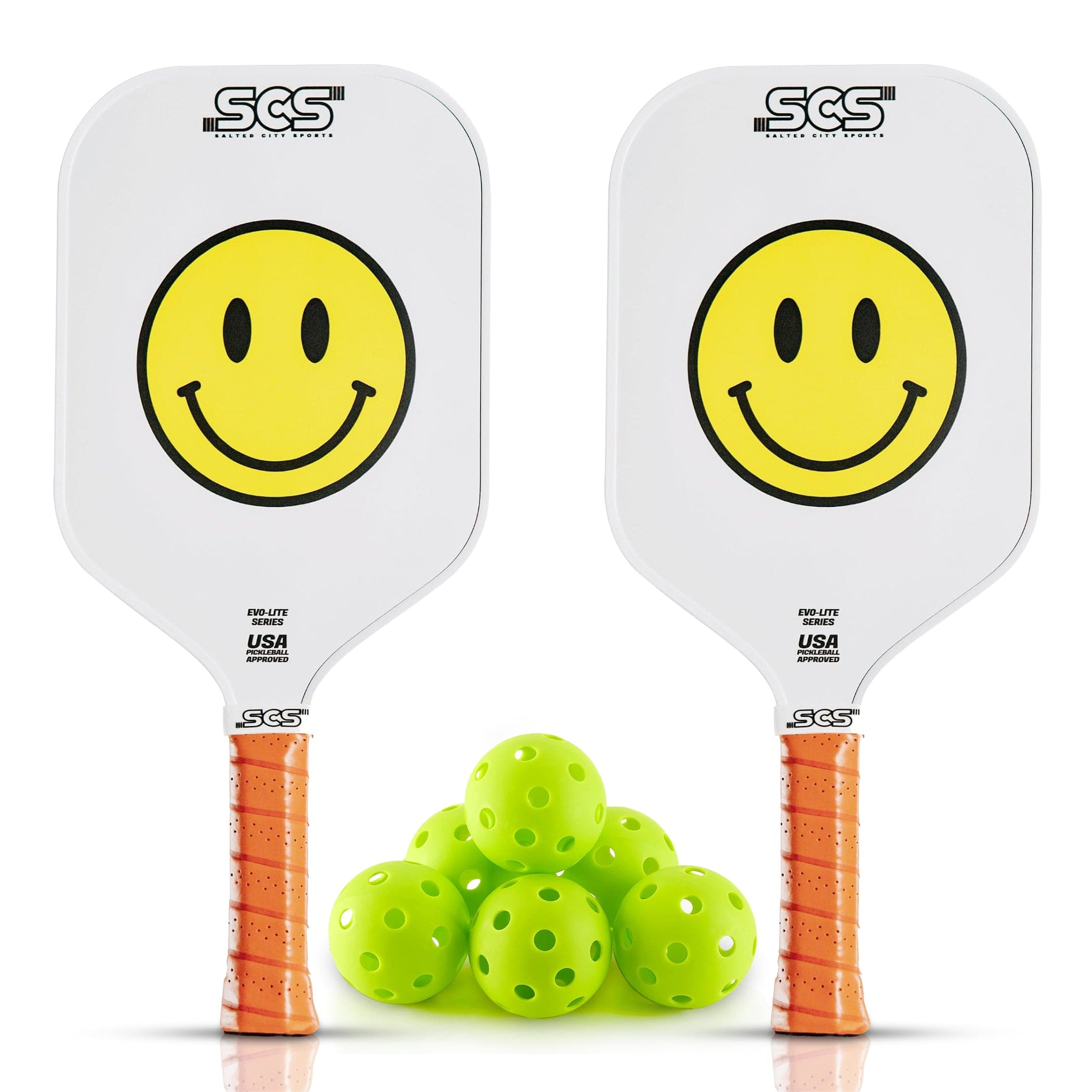
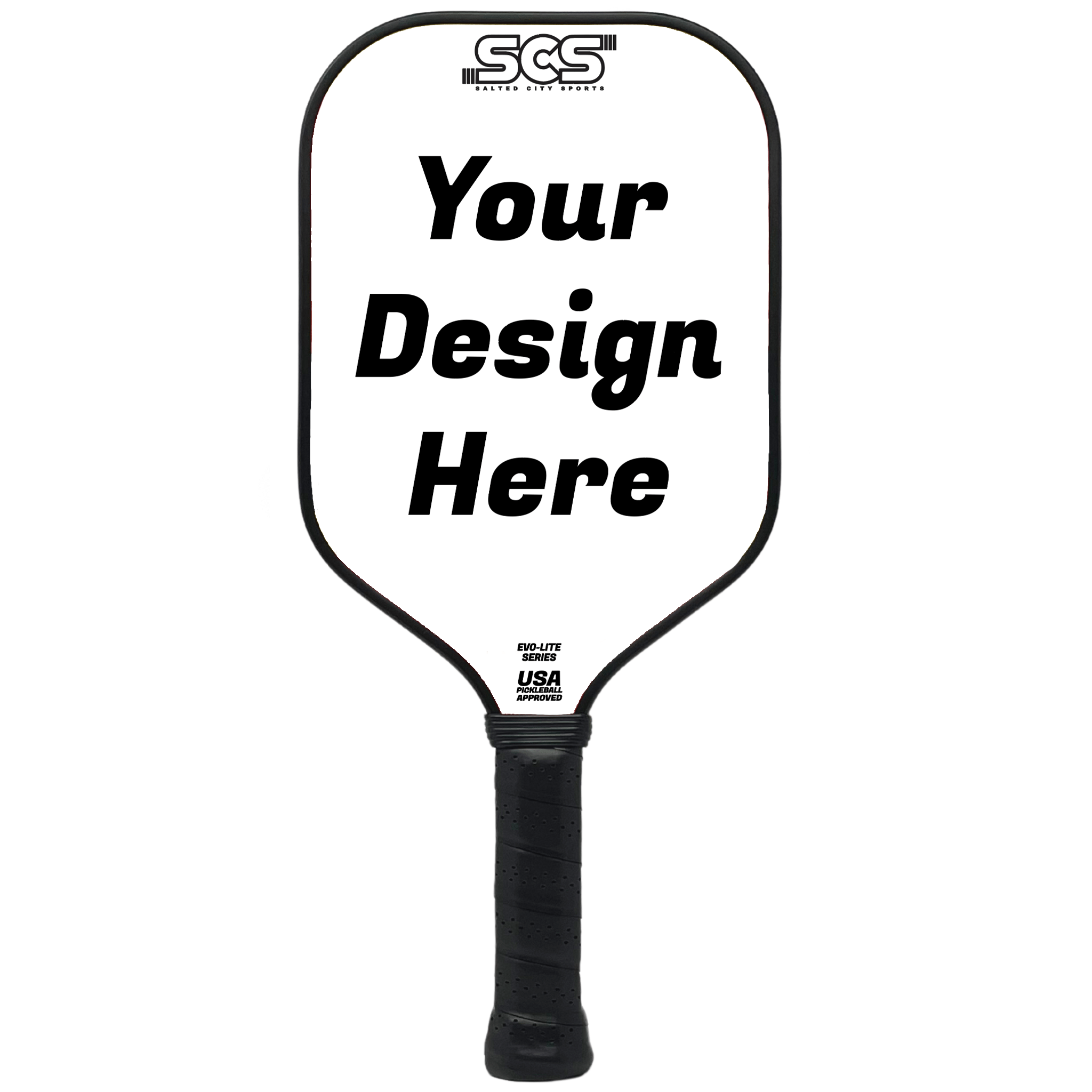
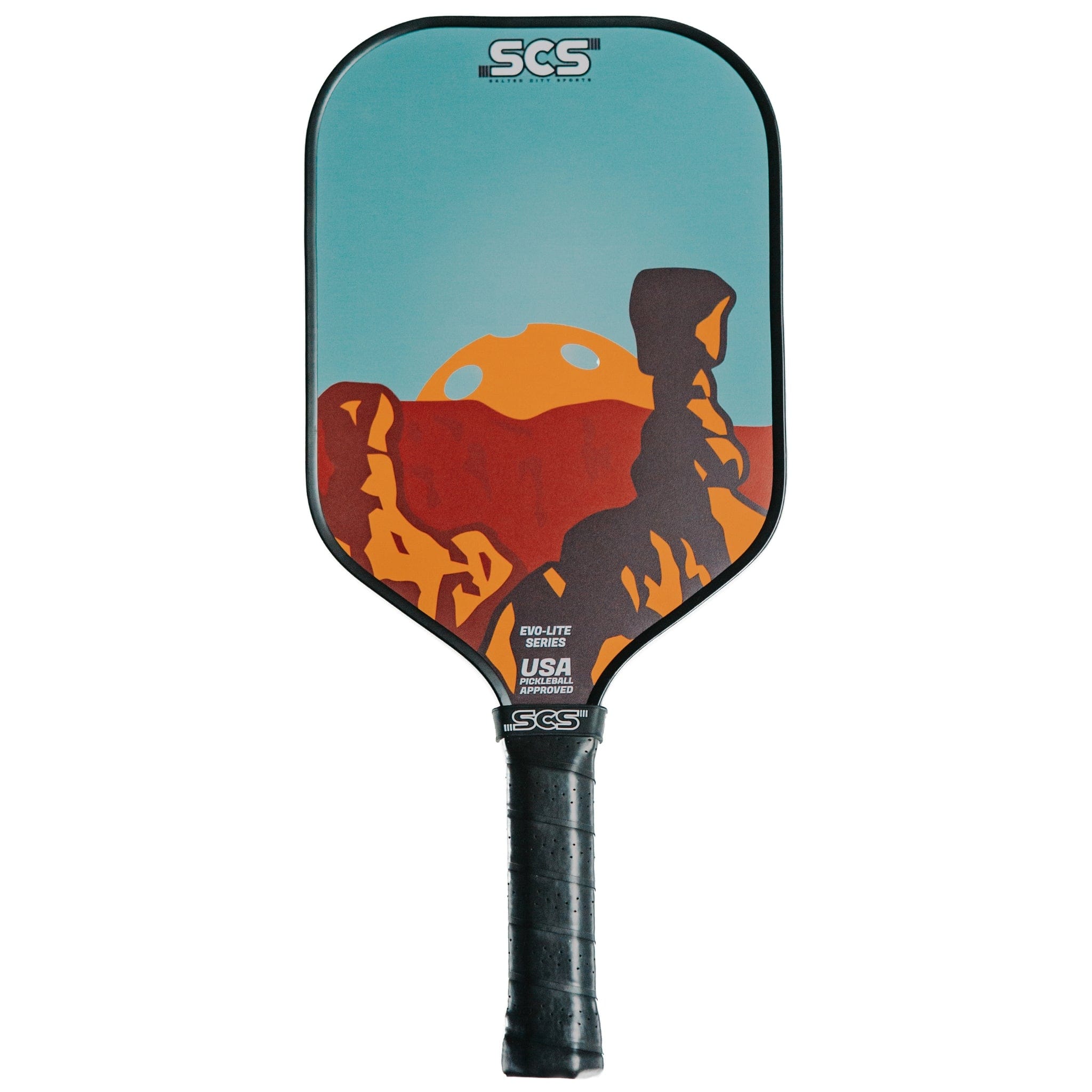
Teams can also add low-cost fun to the calendar with custom pickleball gear. For teams that want a sport everyone can learn quickly, a Custom Team Pickleball Paddle gives the group a branded shared item at $124.00. The Badlands | Evo-Lite Series paddle is a solid individual option at $89.99, with a 13mm polypropylene core and a fiberglass surface. For a pair-based game, the Two Paddle Pickleball Set is priced at $168.00 as a custom bundle.
Frequently Asked Questions
What are some low-cost workplace wellness activities for small teams?
Walking clubs, walk-and-talk meetings, stretch breaks, and short group movement sessions are among the most affordable options. Many require no equipment or budget at all. A walking club can run during lunch for 30 minutes once a week, while a five-minute stretch at the start of a staff meeting costs nothing. Small teams can rotate who organizes each activity so ownership stays light and participation stays high.
How can a small business promote employee wellness on a budget?
Start with activities that use existing space and time, such as walking meetings, stretch breaks, and group challenges tracked on a shared spreadsheet. Ask employees which activities they would actually join, then run a single pilot for four weeks. Keep the time commitment visible and short, because participation drops quickly when sessions feel like extra work. Reassess after the pilot and keep only what people use.
How often should a small team hold wellness activities?
A weekly rhythm works well for most small teams, with one anchor activity such as a Friday walk and short daily options like stretch breaks. Consistency matters more than intensity. Starting with two sessions a month and increasing only if participation holds is a practical approach. Check in with the team every few weeks to confirm the schedule still fits their workload.
How can you make workplace wellness activities inclusive?
Offer several activity levels so people with different mobility, fitness, or schedule needs can take part. A walk can be a seated stretch or a short loop around the office. Keep participation optional, avoid pressure to share personal health details, and choose times that work for part-time and remote staff. Asking employees directly which options work for them is the most reliable way to check inclusion.
